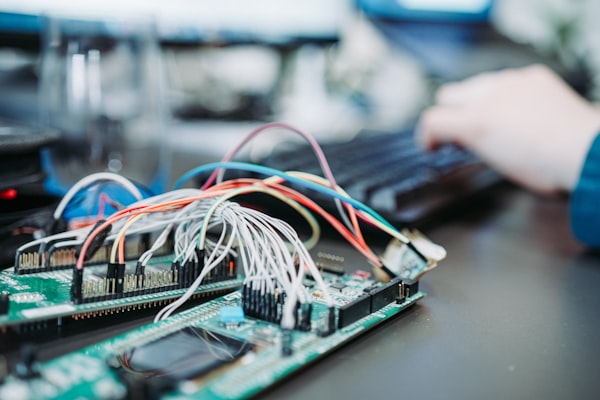
Heat Signature Mapping
We record exhaust temperatures, inlet deltas, and rack-level variance across a full duty cycle so farm managers know what cooling load to expect.
We bench-test ASIC and GPU miners before they enter colocation, documenting sustained hashrate, exhaust heat curves, and rack-density limits so operators in Jeonju and across South Korea can place hardware with confidence.

Every review focuses on hashrate stability, heat signature predictability, and suitability for third-party farm placement in South Korea.
We record exhaust temperatures, inlet deltas, and rack-level variance across a full duty cycle so farm managers know what cooling load to expect.
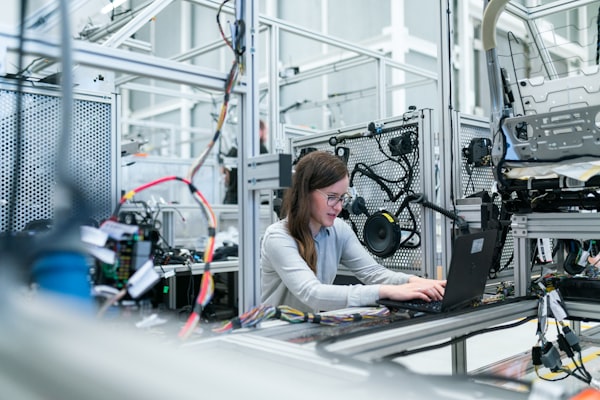
Units below our 0.05 TH/s threshold are excluded from hosted-farm recommendations. We document actual sustained output, not factory labels.

We score each unit for noise, vibration, power draw consistency, and rack density limits typical of Jeonju-area colocation partners.
A two-day bench and rack test for miners you plan to send to a hosted facility.
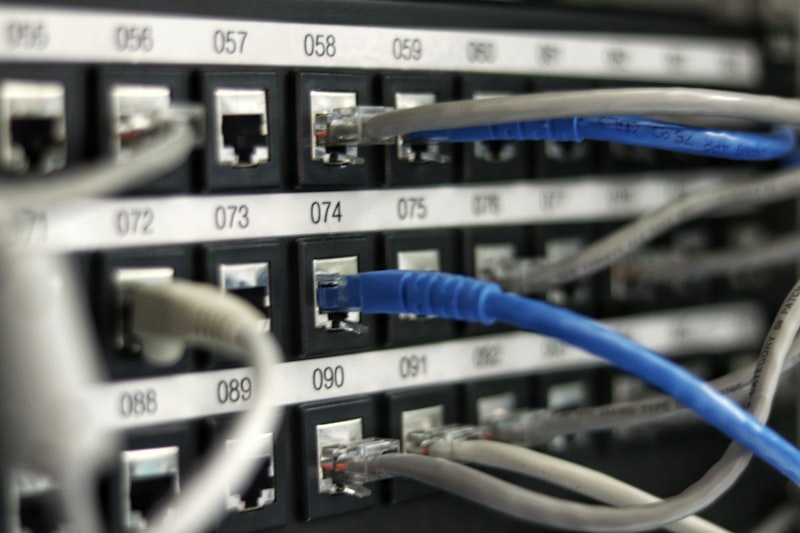
On-site review of your target hosted farm's cooling, power, and rack layout against the thermal profile of your mining fleet.
Read review scope
Side-by-side review of two or three mining units competing for the same hosted-farm rack positions.
Read review scope
Single-day bench test confirming sustained output above the 0.05 TH/s hosted-farm threshold with power and thermal snapshots.
Read review scopeWe shipped six refurbished S19-class units for assessment before signing a Jeonju colocation contract. The thermal report showed one chassis ran 4°C hotter than the batch average — enough to shift it to an end-of-row slot instead of middle density.
The write-up was thorough on power draw curves. I wished the noise section had more detail on fan replacement options, but the hashrate verification alone saved us from a bad bulk purchase.
Practical guidance on heat management and hardware selection for Korean hosted farms.

In colocation aisles, the temperature rise from inlet to exhaust predicts neighbor impact better than headline TH/s figures.

How we define sustained hashrate for hosted-farm eligibility and why burst peaks do not pass our verification.
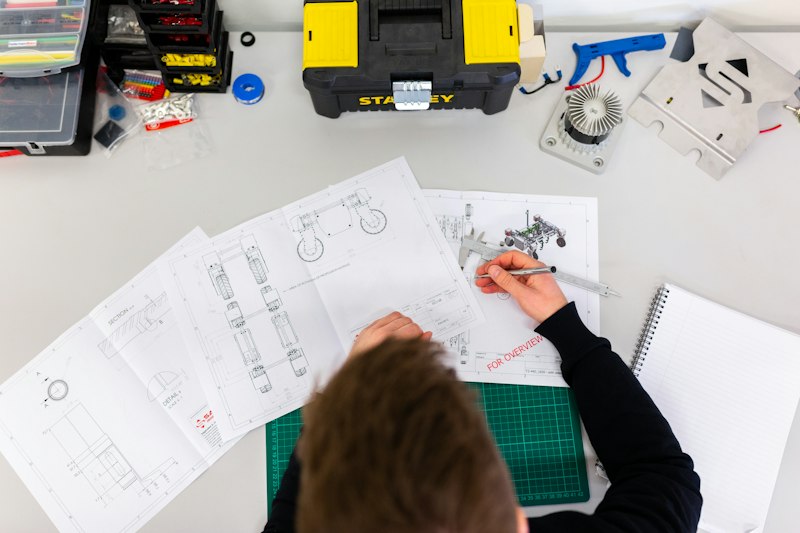
Cleaning, cable checks, and firmware notes that prevent delayed lab scheduling for second-hand mining hardware.